Source jcb 200 excavator hydraulic pump for Excavator, Crane, Forklift
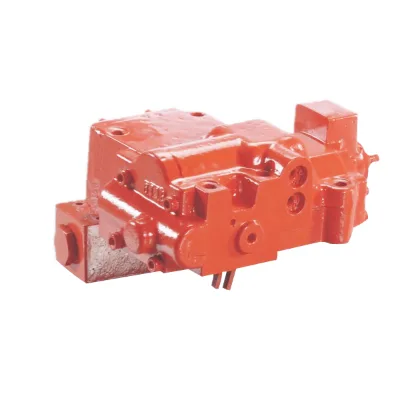
Find 30 listings for the jcb 200 excavator hydraulic pump with options for Gear Pump and Normal Line Gear Pump types. Buyers can compare specifications like displacement, pressure, and rotation direction across models from China.
Key considerations
Products List




Comprehensive Sourcing Guide
Sourcing Guide for JCB 200 Excavator Hydraulic Pump Procurement
Understanding the Core Product Specifications
When sourcing a hydraulic pump specifically for the JCB 200 excavator, buyers must first establish a clear baseline of the technical attributes that define the component. The product landscape for this specific application is characterized by a variety of model identifiers and mechanical configurations. The observed market data indicates that specific model numbers such as HGBP4008, HGBP4082, and K3V112DTP-9C79 are frequently associated with this category of equipment. Additionally, the designation "JCB" and "JCB Parker" appear as specific model references, suggesting compatibility with proprietary or OEM-standard designs.
The fundamental type of pump observed in this segment is the external gear pump, often described as a "Normal Line Gear Pump." These units are typically constructed from heavy-duty cast iron, a material choice that aligns with the high-stress environment of excavator operations. The mechanical design features an involute tooth curve with straight tooth flanks, utilizing an external engaged mesh form. This configuration is critical for maintaining consistent flow rates under varying pressure conditions. The displacement rates observed in the available inventory include 80cm/Rev, 100cm/Rev, and 125cm/Rev, allowing buyers to select a unit that matches the specific hydraulic circuit requirements of their JCB 200 machinery.
Rotation direction is a pivotal specification that must be verified before procurement. The data indicates that these pumps are available in clockwise, counterclockwise, or dual-direction configurations. The standard observation notes a clockwise rotation when viewed from the end of the shaft, but the availability of bidirectional options suggests that custom orders or specific model variants may differ. The shaft extension type is another area requiring precise attention, with options including a spline or a flat key. Buyers should note that special requests for shaft extensions are often accommodated, indicating a degree of customization is available in the supply chain.
Compliance and Certification Verification
In the B2B procurement of industrial machinery parts, verifying compliance with international standards is non-negotiable. The supply data confirms that products in this category frequently carry CE and ISO9001 certifications. Some listings also reference RoHS compliance, which is essential for ensuring the product meets environmental standards regarding hazardous substances. It is important for buyers to understand that while these certifications are observed in the market, they are not guaranteed for every single unit listed. The condition of the products is consistently noted as "New," which is a critical factor for warranty and performance expectations.
Buyers must exercise caution when interpreting certification claims. The presence of a CE mark or ISO9001 label on a product page does not automatically validate the specific batch being ordered. Procurement teams should request current, verifiable documentation from the supplier rather than relying solely on the listing text. The origin of these components is predominantly China, with specific mentions of Shandong China as a production hub. While this geographic data helps in logistics planning, it does not inherently dictate quality. The "Export Standard Package" and "Export Wood Case" are common packing methods, suggesting that the products are designed for international shipping and are likely to withstand the rigors of global transport. However, the specific weight standards vary, with observations of 10kg, 24KG, and 25kg, which may reflect different packaging densities or pump sizes rather than a uniform standard.
Cost Drivers and Pricing Dynamics
The pricing structure for JCB 200 excavator hydraulic pumps is influenced by a complex interplay of specifications, materials, and customization levels. The observed price range in the market is substantial, spanning from 20 USD to 5555 USD. This wide variance is not indicative of a single product line but rather reflects the diversity of the components available. Lower-priced items may correspond to standard gear pumps with basic specifications, while the upper end of the range likely includes heavy-duty units, specialized models like the K3V112DTP-9C79, or pumps with complex customization requests.
Several factors drive these costs. First, the material composition, specifically the use of cast iron for heavy-duty applications, adds to the base manufacturing cost. Second, the displacement rate and maximum working pressure capabilities are significant cost determinants. Pumps capable of handling up to 300bar of pressure and operating at speeds of 3000rpm generally command higher prices due to the precision engineering required. Third, the degree of customization affects the final price. While standard models are readily available, requests for specific shaft extensions, diamond flanges, or unique oil ports (such as SAE American, Metric Flanges, or other oil ports) will incur additional charges.
The Minimum Order Quantity (MOQ) is another critical cost driver. The observed MOQ range is between 1 and 5 units. This flexibility allows small repair shops or individual contractors to purchase single units, whereas larger fleet operators might negotiate better rates for bulk orders within this range. Buyers should be aware that the "Variable Pump" flow rate specification, if applicable to a specific model, may also influence the price, as variable displacement mechanisms are more complex than fixed displacement units.
Typical Applications and Compatibility
While the core keyword focuses on the JCB 200 excavator, the hydraulic pumps in this category are versatile and serve a broader range of machinery. The product attributes explicitly list applications in engineering machinery, hydraulic machinery, and agricultural machinery. Specific use cases include cranes, arm trolleys, forklifts, and drilling machines. This versatility suggests that the pumps are robust enough to handle the demands of various heavy industries, not just earthmoving equipment.
For the JCB 200 specifically, the pump must be compatible with the JCB 200, JCB 210, JCB 220, and JCB 240 series. The standard product attributes confirm this compatibility, listing these models as the primary application targets. The mounting flange is typically an SAE B 2 Hole configuration, which is a standard interface for many excavator hydraulic systems. The oil port configuration is equally important, with options including SAE American, common flanges, and other oil ports. This variety ensures that the pump can be integrated into existing hydraulic circuits without requiring extensive modification.
The power source for these pumps is hydraulic, driven by the engine of the host machinery. The installation process often involves a diamond flange, with special requirements available upon order. This flexibility in installation is crucial for older excavators or those that have undergone modifications. The ability to order special installation requirements indicates that the supply chain is responsive to the specific needs of the buyer, whether for a standard replacement or a retrofit application.
Supplier Evaluation and Selection Criteria
Selecting the right supplier for JCB 200 hydraulic pumps requires a rigorous evaluation process that goes beyond the product listing. Buyers should prioritize suppliers who can provide transparent documentation regarding their certifications, such as CE, ISO9001, and RoHS. The origin of the product, specifically from regions like Shandong China, should be verified to ensure it aligns with the buyer's sourcing strategy and quality expectations.
The customization capabilities of the supplier are a key differentiator. The market data shows that customization is available for shaft extension types, mounting flanges, and oil ports. A supplier that can reliably fulfill special requests for diamond flanges or specific spline configurations is preferable to one that only offers standard inventory. Buyers should also assess the supplier's ability to handle different packing requirements, such as wooden boxes or export wood cases, to ensure the product arrives in pristine condition.
Furthermore, the supplier's responsiveness to the specific model numbers is critical. With models like HGBP4008, HGBP4082, and K3V112DTP-9C79 in circulation, a supplier with a deep inventory or strong supply chain connections to these specific part numbers will reduce lead times and minimize the risk of receiving incorrect components. The observed range of MOQs (1-5) suggests that suppliers are flexible, but buyers should confirm if volume discounts are available for orders exceeding the standard MOQ.
Quality Control and Performance Verification
Ensuring the quality of the hydraulic pump is paramount to the operational safety and efficiency of the JCB 200 excavator. The product attributes highlight several performance metrics that should be verified during the procurement process. The maximum working pressure of 300bar and the speed of 3000rpm are critical specifications that must be met by the actual product. Buyers should request test results or performance data that confirm these figures, as these parameters directly impact the pump's ability to handle the hydraulic load of the excavator.
The rotation direction and sense of rotation are also areas where quality control is essential. While the standard observation is clockwise rotation, the availability of counterclockwise or bidirectional options means that the buyer must verify the specific rotation direction of the unit they receive. Mismatched rotation can lead to immediate system failure or damage to the hydraulic motor. Similarly, the shaft extension type (spline or flat key) must match the excavator's input shaft exactly.
The packing method, whether "Wooden Box," "Export Wood Case," or "Standard Packaging," plays a role in quality assurance. Proper packaging protects the pump from corrosion and physical damage during transit. Buyers should inspect the packaging upon receipt to ensure that the "Condition: New" claim is valid and that the product has not been compromised. The standard of 10kg, 24KG, or 25kg mentioned in the product data likely refers to the gross weight including packaging, which can be used to verify the integrity of the shipment.
Long-Term Procurement Considerations
Sourcing hydraulic pumps for the JCB 200 excavator is not a one-time transaction but part of a long-term maintenance strategy. Buyers should consider the availability of spare parts and the longevity of the components. The heavy-duty cast iron construction and the specific gear pump design suggest a focus on durability, but the actual service life will depend on operating conditions and maintenance practices.
The customization options available in the market, such as special oil ports and mounting flanges, offer a path to future-proofing the equipment. If a buyer anticipates changes in their hydraulic system or the need for upgrades, selecting a supplier that can accommodate these changes will be beneficial. The ability to order special requirements indicates that the supply chain is capable of supporting long-term partnerships.
Finally, buyers should monitor the market for changes in standards and certifications. As regulations evolve, the requirements for CE, ISO, and RoHS may shift. Maintaining a relationship with a supplier who stays current with these changes ensures that future procurements remain compliant. The observed price range and MOQ flexibility provide a baseline for budgeting, but buyers should remain vigilant for market fluctuations that could impact the cost of high-performance pumps with variable displacement or high-pressure capabilities. By focusing on these long-term factors, buyers can ensure a steady supply of reliable hydraulic pumps for their JCB 200 excavators.
FAQs
What certifications do JCB 200 hydraulic pumps have?
Products typically carry CE and ISO9001 certifications, with some listings also referencing RoHS compliance. These certifications are observed in the market but are not guaranteed for every single unit listed, so buyers should request current documentation from the supplier.
Which models are compatible with the JCB 200 excavator?
The pumps are designed for the JCB 200, JCB 210, JCB 220, and JCB 240 series. Specific model identifiers like HGBP4008, HGBP4082, and K3V112DTP-9C79 are frequently associated with this equipment category to ensure proper fit.
How is the pump shaft extension type configured?
Options include a spline or a flat key, with special requests often accommodated for customization. Buyers must verify the specific shaft extension type matches the excavator's input shaft exactly to prevent system failure or damage.
Can the pump rotation direction be customized?
Yes, pumps are available in clockwise, counterclockwise, or dual-direction configurations. While the standard observation notes a clockwise rotation when viewed from the end of the shaft, specific model variants or custom orders may differ.
What is the maximum working pressure for these pumps?
The maximum working pressure is typically 300bar, with speeds reaching up to 3000rpm. Buyers should request test results or performance data to confirm these figures, as they directly impact the pump's ability to handle hydraulic loads.
How are the pumps packed for international shipping?
Common packing methods include wooden boxes, export wood cases, and standard packaging designed for global transport. The gross weight standards vary between 10kg and 25kg, reflecting different packaging densities or pump sizes rather than a uniform standard.